
Food Grade PVC Fabric vs Industrial Grade PVC Fabric
Understanding the key differences and choosing the right material for your application
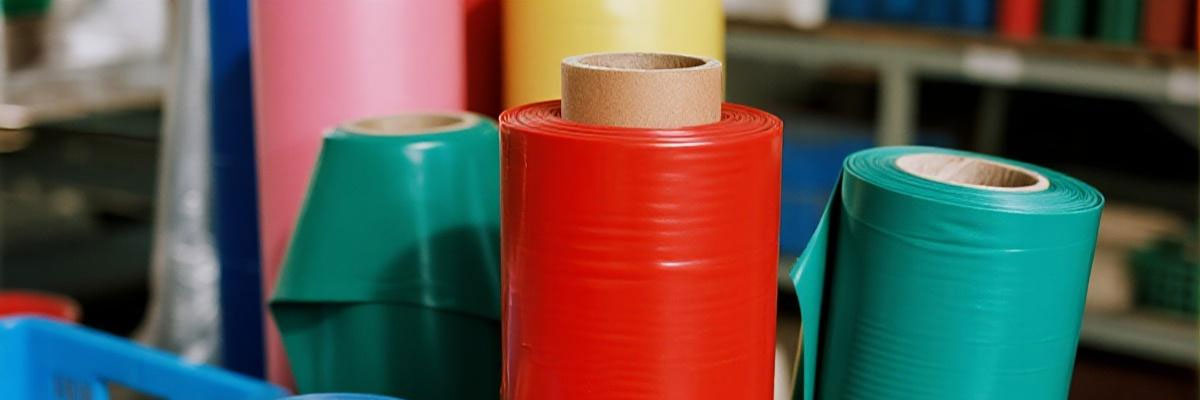
Polyvinyl Chloride (PVC) fabrics have become indispensable in various industries due to their durability, versatility, and cost-effectiveness. However, not all PVC fabrics are created equal. Two primary variants—food grade PVC fabric and industrial grade PVC fabric—serve distinct purposes with unique characteristics that make them suitable for specific applications.
Understanding the differences between these two types is crucial for selecting the right material for your needs, ensuring safety, performance, and compliance with industry regulations.
Key Differences
Material Composition & Additives
Food Grade PVC Fabric:
Manufactured with non-toxic plasticizers and additives that meet strict food contact regulations. Free from harmful substances like phthalates, heavy metals, and BPA that could leach into food products.
Industrial Grade PVC Fabric:
Contains plasticizers and chemicals optimized for durability and performance rather than food safety. May include phthalates and other compounds that enhance strength, flexibility, or resistance to industrial chemicals.
Safety Standards & Certifications
Food Grade PVC Fabric:
Complies with strict regulations such as FDA (Food and Drug Administration), EU 10/2011, and LFGB standards. Undergoes rigorous testing to ensure it's safe for direct and indirect food contact.
Industrial Grade PVC Fabric:
Certified for industrial performance metrics like tensile strength, chemical resistance, and flame retardancy. Not tested or certified for food safety, as it's not intended for contact with consumables.
Physical & Chemical Properties
Food Grade PVC Fabric:
Designed with smooth surfaces to prevent bacterial growth and facilitate easy cleaning. Resistant to common food acids, oils, and cleaning agents. Typically has moderate tensile strength optimized for food processing environments.
Industrial Grade PVC Fabric:
Engineered for extreme durability with high tensile strength. Offers resistance to harsh chemicals, abrasion, UV radiation, and extreme temperatures. May have textured surfaces for enhanced grip in industrial settings.
Color & Appearance
Food Grade PVC Fabric:
Often available in light colors, particularly white or translucent, to easily detect contamination. Maintains a clean, non-porous surface finish critical for hygiene standards.
Industrial Grade PVC Fabric:
Available in a wide range of colors, including dark hues, often with pigments that enhance UV resistance or serve as color-coding for specific industrial applications.
Ideal Applications
Food Grade PVC Fabric Applications
- Food processing conveyor belts and machinery covers
- Commercial kitchen flooring and wall coverings
- Food storage containers and packaging liners
- Bakery and confectionery equipment components
- Refrigerated truck liners and food transport covers
- Wine and beverage production facilities
Industrial Grade PVC Fabric Applications
- Construction site covers and tarpaulins
- Chemical storage tank liners and containment systems
- Industrial machinery protective covers
- Heavy-duty truck covers and cargo liners
- Waste management and recycling equipment
- Marine and offshore applications
How to Choose the Right PVC Fabric
When selecting between food grade and industrial grade PVC fabric, consider these key factors:
Food Contact
If your application involves direct or indirect contact with food, always choose food grade PVC fabric.
Chemical Exposure
For harsh chemicals or industrial environments, industrial grade offers superior resistance.
Regulatory Compliance
Food processing facilities must use FDA or EU compliant food grade materials.
Durability Needs
Heavy-duty industrial applications require the enhanced strength of industrial grade PVC.
Our Recommended PVC Fabric Products
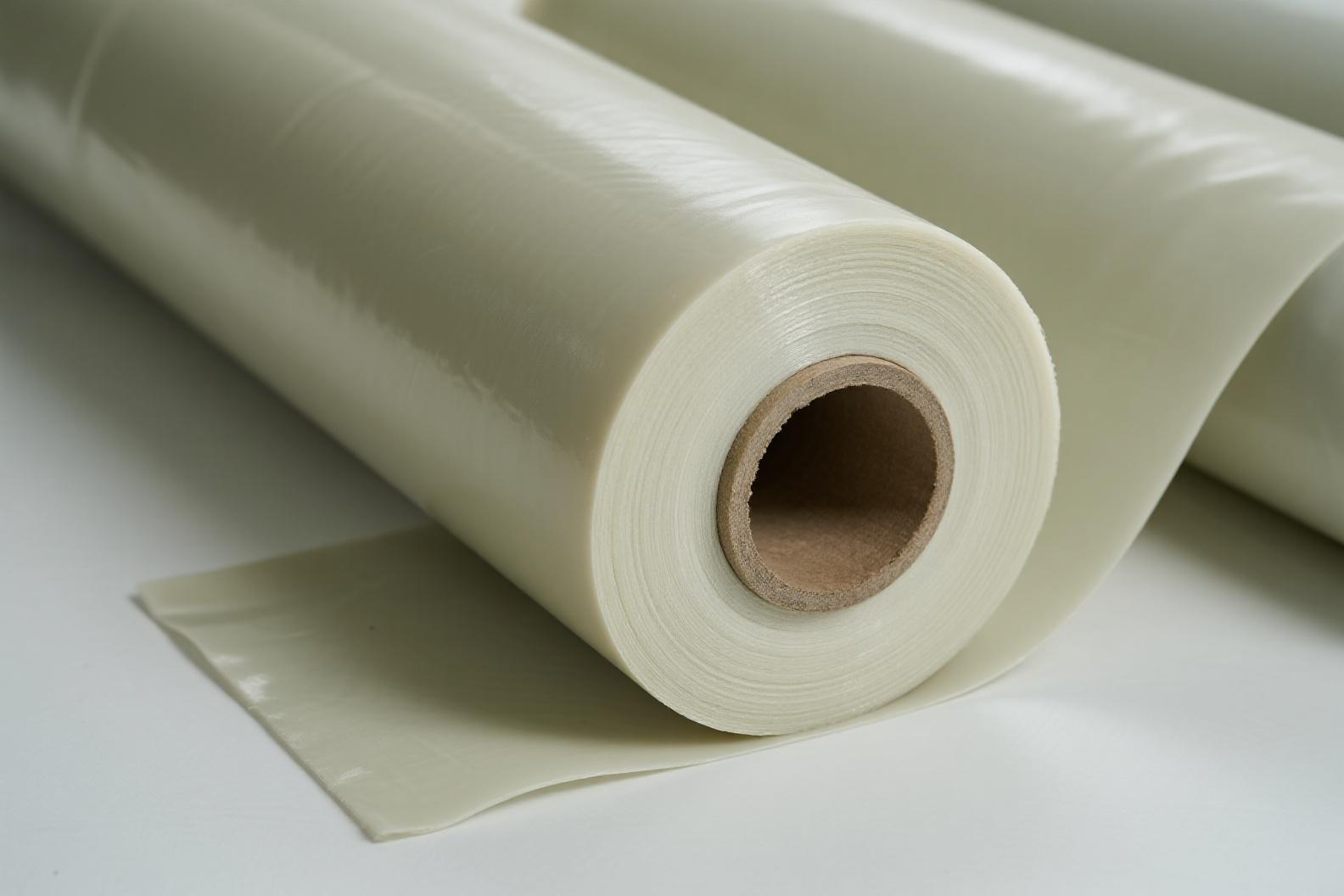
Industrial PVC Fabric
Ultra-durable PVC fabric designed for industrial applications. Excellent resistance to chemicals, abrasion, and extreme temperatures.
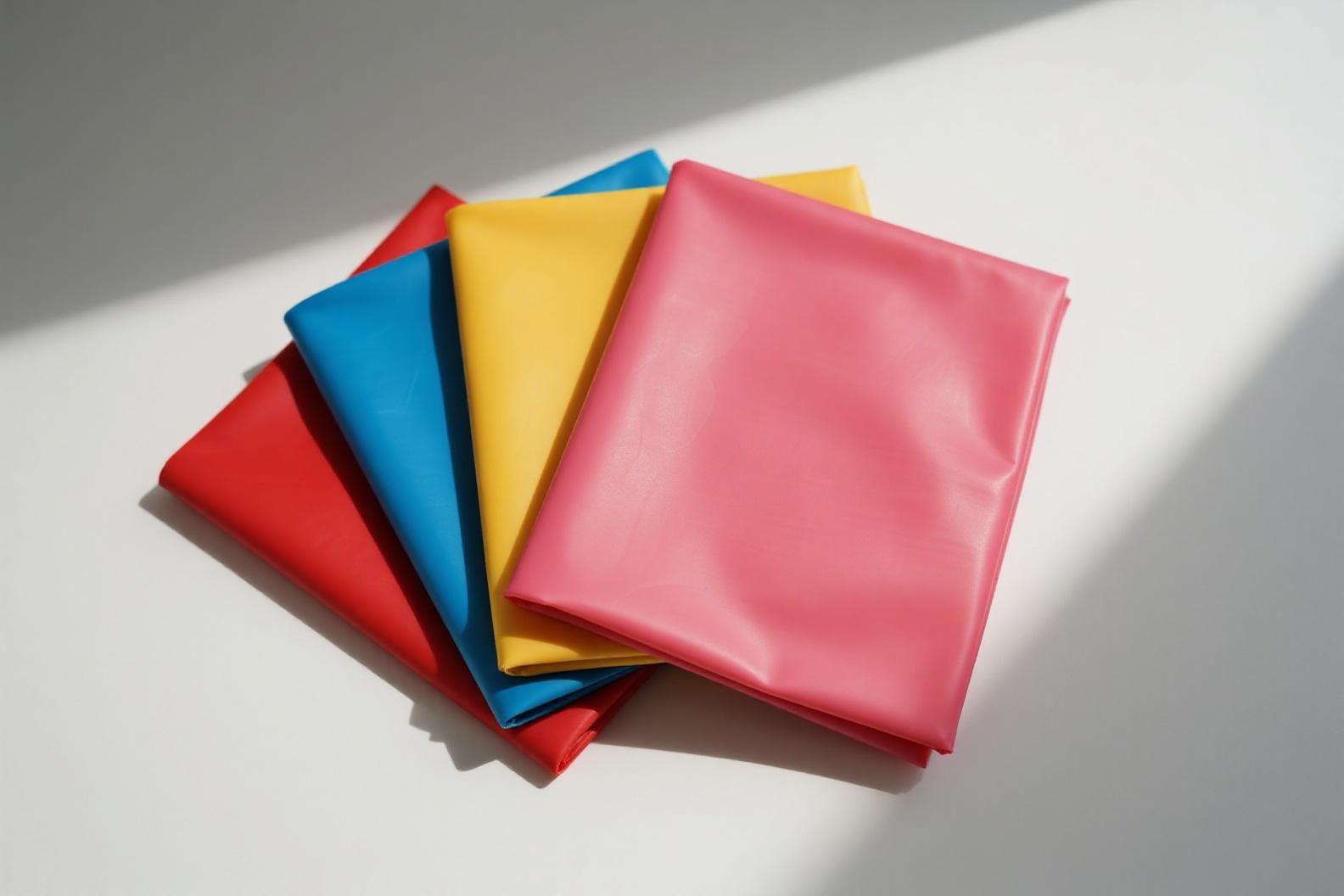
Multi-Purpose Fabric
A balanced PVC fabric suitable for various applications. Offers good durability while maintaining flexibility and ease of handling.
Conclusion
The choice between food grade and industrial grade PVC fabric ultimately depends on your specific application requirements. Food grade PVC is engineered for safety in food contact scenarios, while industrial grade PVC prioritizes durability and performance in harsh environments.
Using the wrong type can lead to safety hazards, regulatory issues, or premature material failure. By understanding these key differences, you can make an informed decision that ensures both safety and performance for your intended use.