
PVC Fabric Manufacturing Process: From Raw Materials to Finished Product
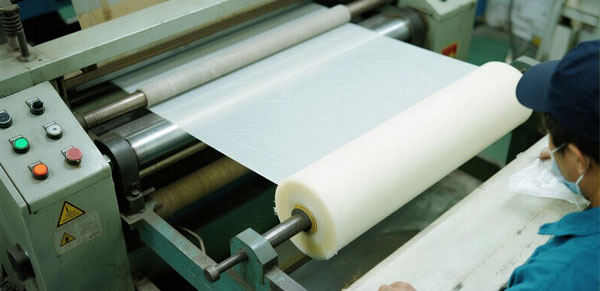
Modern PVC fabric production line with advanced coating technology
PVC (Polyvinyl Chloride) fabric is a versatile material renowned for its durability, water resistance, and adaptability across numerous industries. From tarpaulins and awnings to inflatable structures and industrial covers, PVC coated fabrics play a crucial role in modern manufacturing.
Understanding the PVC fabric manufacturing process helps businesses make informed decisions about material selection, quality control, and application suitability. In this comprehensive guide, we'll walk through each stage of production, from raw material selection to the final inspection of finished PVC cloth.
Raw Material Selection & Preparation
The quality of PVC fabric begins with high-quality raw materials. The manufacturing process starts with two primary components:
- Base Fabric (Substrate): Typically polyester, nylon, or cotton. Polyester is preferred for its strength, dimensional stability, and compatibility with PVC coatings.
- PVC Resin: A white powder derived from vinyl chloride monomers, forming the base of the coating.
- Additives: Plasticizers for flexibility, stabilizers against heat/UV, pigments for color, and fillers for texture/strength.
The base fabric undergoes cleaning and treatment to remove impurities, ensuring proper adhesion of the PVC coating.
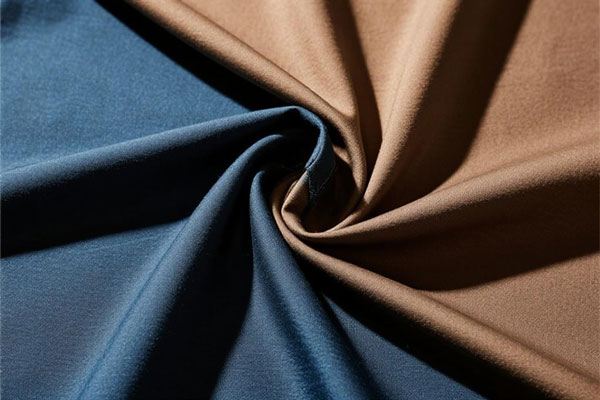
PVC resin, additives, and various base fabrics ready for production
PVC Coating Preparation
The PVC coating mixture is carefully formulated based on the desired properties of the final fabric:
- PVC resin is mixed with plasticizers (typically phthalates or non-phthalate alternatives)
- Stabilizers, pigments, and other additives are incorporated
- The mixture is heated and blended to form a homogeneous paste or solution
- Viscosity is adjusted according to the coating method
This stage is critical for achieving specific characteristics like flexibility, thickness, color fastness, and resistance properties.
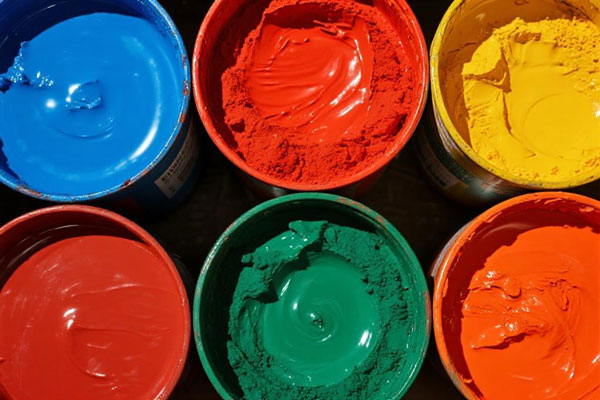
Industrial mixing of PVC coating components
Coating Application Process
The prepared PVC mixture is applied to the base fabric using one of several techniques:
Knife Coating
Fabric passes under a precision knife that applies a uniform layer of PVC. Suitable for medium to heavy coatings.
Calendering
Heated rollers apply and shape PVC onto the fabric. Ideal for high-volume production of consistent thickness.
Dip Coating
Fabric is immersed in PVC solution, then squeezed to control coating thickness. Used for full immersion protection.
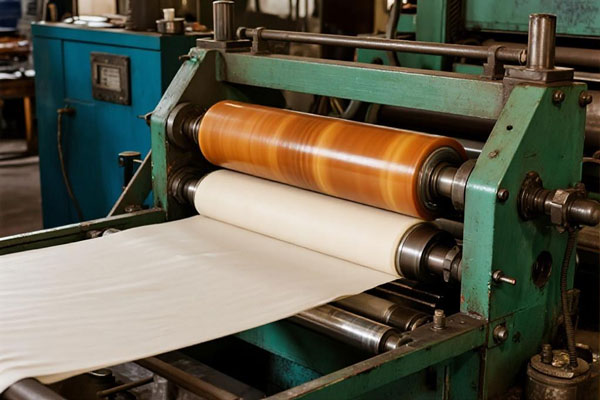
Knife coating technique applying PVC to fabric substrate
Curing & Bonding
After coating application, the fabric enters a curing oven where:
- Temperatures reach 150-200°C (300-390°F) to activate the PVC formulation
- Chemical bonding occurs between PVC and the base fabric
- Controlled heating time ensures proper fusion without fabric degradation
- Moisture and volatile components are evaporated
The curing process determines the final strength and durability of the PVC fabric.
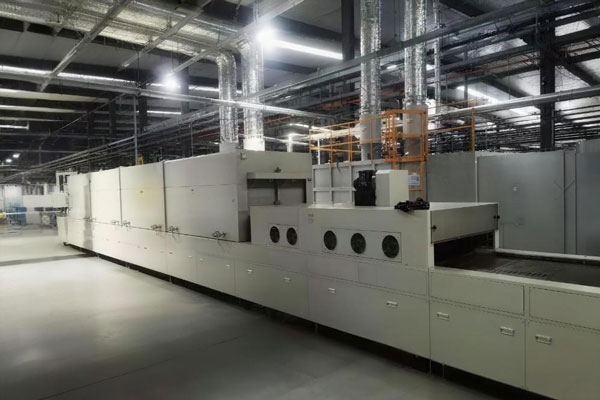
Continuous curing oven for PVC fabric bonding
Finishing Processes
After curing, the PVC fabric undergoes several finishing steps:
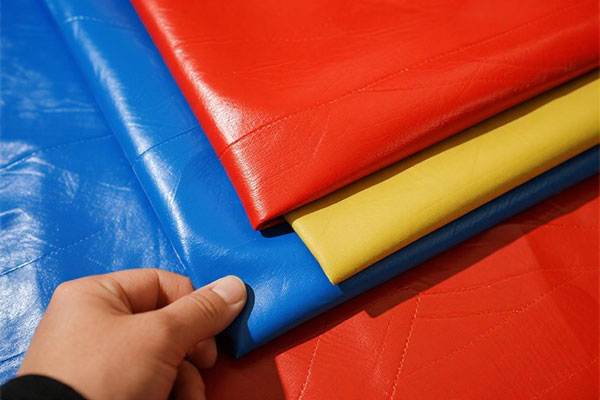
Finished PVC fabric being rolled onto industrial spools
Quality Control & Testing
Rigorous testing ensures the PVC fabric meets industry standards:
| Test Type | Purpose |
|---|---|
| Tensile Strength | Measure resistance to breaking under tension |
| Water Resistance | Verify waterproof properties |
| Abrasion Test | Check durability against wear and friction |
| UV Stability | Test resistance to sunlight degradation |
| Thickness Measurement | Ensure uniform coating across the fabric |
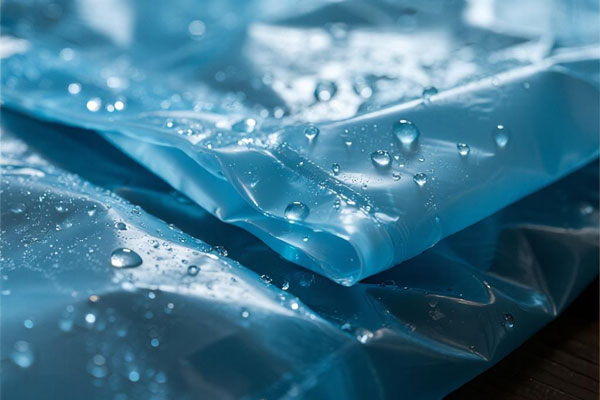
Quality control testing of PVC fabric samples
Applications of PVC Coated Fabrics
Transportation
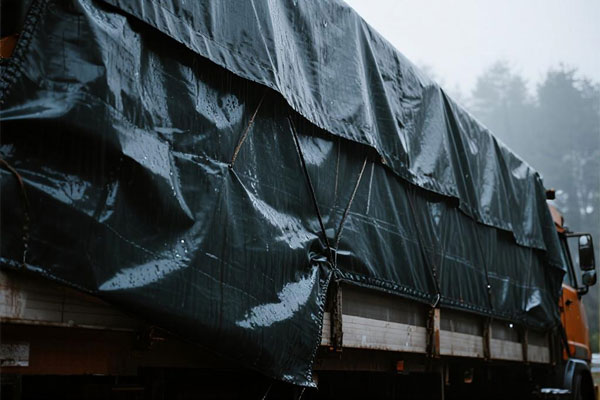
Truck tarps, trailer covers, vehicle liners, and cargo protection
Construction
Temporary shelters, awnings, roofing membranes, and protective covers
Marine
Boat covers, sailcloth, inflatable boats, and marine upholstery
Outdoor Recreation
Tents, backpacks, inflatable structures, and outdoor furniture
Industrial
Chemical-resistant liners, machinery covers, and containment systems
Consumer Goods
Bags, luggage, aprons, and protective clothing
Our Recommended PVC Fabric Products
 BEST SELLER
Heavy-Duty PVC Tarpaulin
18oz industrial-grade PVC coated polyester with superior waterproofing and UV resistance. Ideal for truck covers and construction sites.
Learn More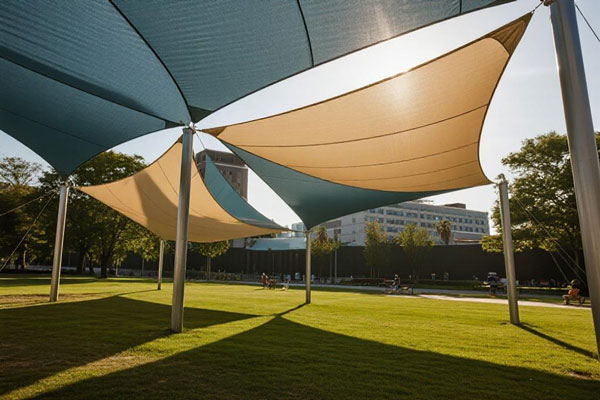 POPULAR
Lightweight PVC Coated Fabric
8oz flexible PVC coated fabric with smooth finish. Perfect for awnings, light covers, and versatile industrial applications.
Learn More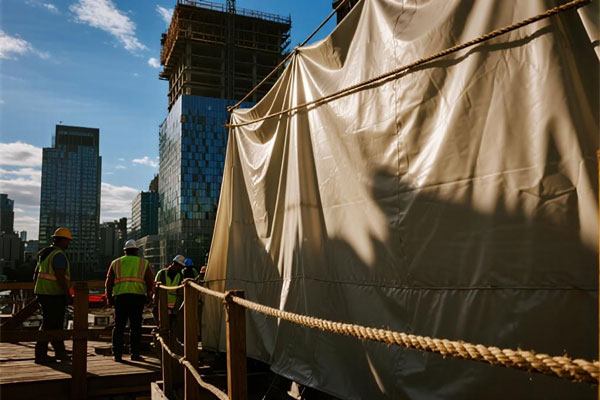 SPECIALTY
Flame-Retardant PVC Fabric
12oz fire-resistant PVC coated fabric meeting international safety standards. Suitable for industrial and public space applications.
Learn MoreConclusion: The Journey of PVC Fabric
The PVC fabric manufacturing process combines precision engineering with careful material science to create a product that balances durability, flexibility, and functionality. From raw material selection to final quality control, each stage plays a vital role in determining the performance characteristics of the finished fabric.
Understanding this process helps businesses select the right PVC fabric for their specific applications, whether they require heavy-duty industrial covers or lightweight, flexible materials for consumer products.
As manufacturing technologies continue to advance, PVC fabrics are becoming more sustainable and versatile, expanding their applications across even more industries worldwide.
Need High-Quality PVC Fabric?
Contact our experts to discuss your specific requirements and get a customized solution.